
Fashion Week: Fashion Between a New Creative Era and Artificial Intelligence

From September 28 to October 6, 2026, Paris once again drew the industry's gaze with Fashion Week dedicated to the Spring/Summer 2027 womenswear collections. Spanning heritage houses, emerging talent, and fresh creative approaches, this season confirms a profound shift in the fashion landscape: garments are no longer viewed merely as silhouettes but as experiences, images, and increasingly arenas for technological experimentation.
Trends: Sensuality, color, and bold silhouettes
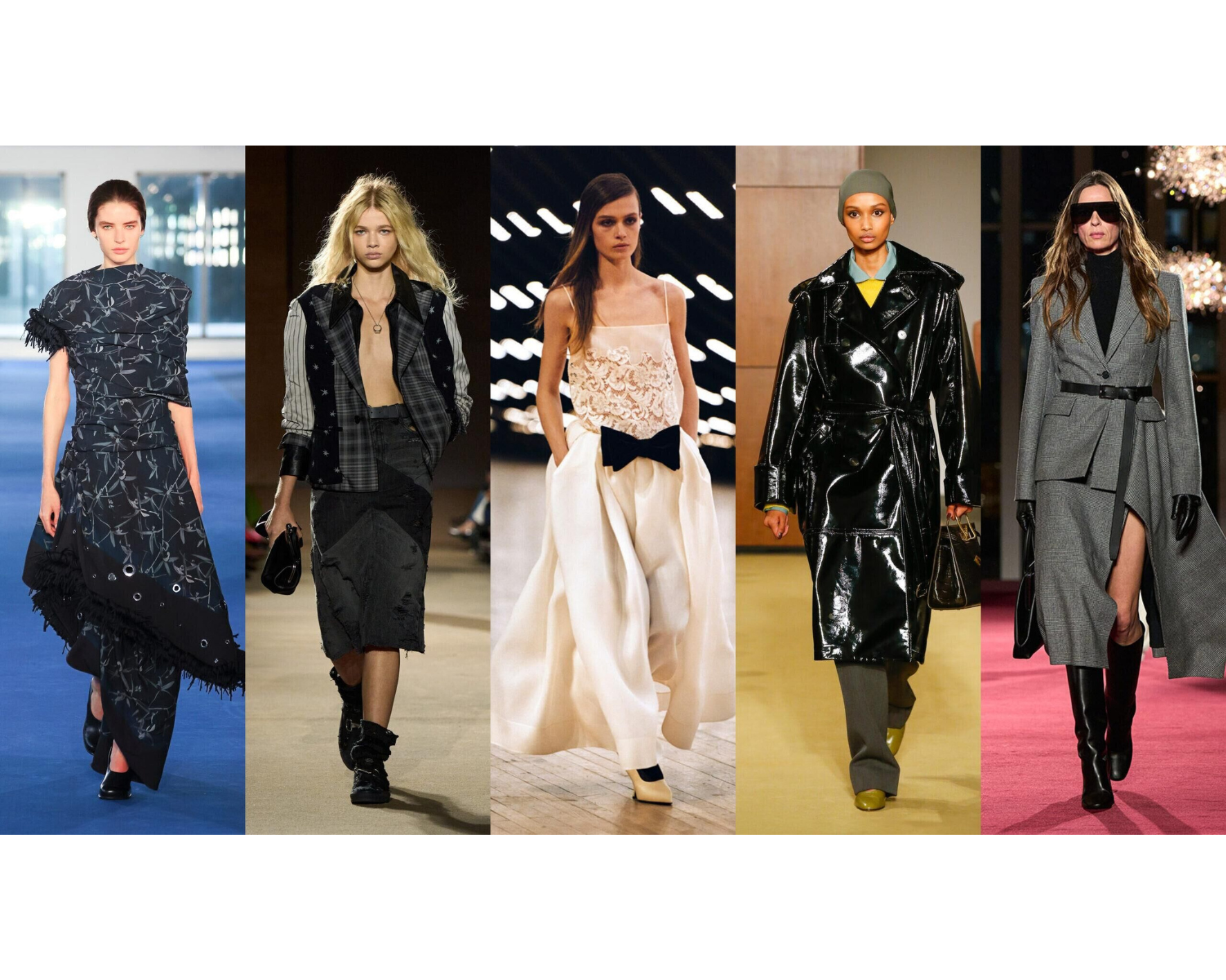
On the runways, the fashion of tomorrow is taking shape through a balance of femininity and freedom. Silhouettes are gaining character, while fabrics and volumes are becoming powerful means of expression. Color is asserting itself as a language in its own right; bold hues and unexpected combinations revitalize classics, while plays on transparency, lace, and textured fabrics continue to project a more confident femininity. Another major trend is the return of structured silhouettes. Defined shoulders, generous volumes, and sometimes dramatic proportions lend the wardrobe an almost architectural quality. Fashion thus oscillates between sensuality and power, fluidity and structure. Fashion houses are delving into their archives to reinterpret their signature codes rather than simply replicating them.
When artificial intelligence enters the wardrobe
Yet, this 2026 Fashion Week tells a story that goes beyond clothing; it also chronicles an industry undergoing a major transformation. Artificial intelligence is gradually making its way into every stage of the value chain: image creation, product development, content production, personalization, retail, virtual try-ons, and data analysis. The question is no longer whether AI will have a place in fashion, but rather what role designers wish to assign to it. For the true revolution may lie less in the technology itself than in the meeting of the tool and human sensibility. AI can accelerate, simulate, generate, and analyze. Yet intention, taste, emotion, and vision remain at the heart of the creative act.
Fashion AI Expo: Technology takes its place in Fashion Week
It was precisely at this intersection that the Fashion AI Expo took place in Paris from October 2 to 5, 2026. Conceived as an international platform dedicated to the convergence of fashion, luxury, and artificial intelligence, the event brought together fashion houses, startups, tech companies, investors, designers, and industry professionals. The program featured conferences, technology demonstrations, workshops, networking sessions, and presentations focused on the transformations AI is bringing to fashion design and the fashion experience. The Paris edition centered on five key areas: AI-assisted design, smart retail, fashion infrastructure and data, the intersection of luxury and technology, and emerging technologies.

A new dialogue between heritage and the future
This meeting of technology and heritage was already central to the first edition of the Fashion AI Expo, held in Paris in March 2026, which featured Maison Pierre Cardin as the guest of honor. The symbolism is powerful: a fashion house historically associated with the avant-garde encountering technologies capable of once again pushing the boundaries of creativity. Fashion has a unique relationship with innovation; it has always transformed materials, bodies, images, and practices. Thus, artificial intelligence appears not so much as a break with the past, but as a new chapter in this ongoing story.
What about tomorrow?
Fashion Week 2026 offers a glimpse of an industry that no longer chooses between tradition and technology, but instead seeks to make them coexist. On one hand, there is a return to the archives, craftsmanship, materials, and the identities of fashion houses. On the other, a new generation of tools capable of transforming design, communication, and commerce. Between the two lies the real challenge: preserving the emotion and uniqueness of fashion while exploring the possibilities offered by artificial intelligence. More than ever, Paris remains a laboratory. For MARGOT VII, a conviction is taking shape: the next fashion revolution may not be merely a matter of style. It will also be about creativity, technology, and the way we tell the story of a garment.

90 Comment(s)
References:
Instant bank deposit casino australia which online pokies accept Osko
References:
Wire transfer casino limits australia ctphome.com
References:
Casinos that accept PayID git.yang800.cn
References:
Play online pokies payid australia schmitt-hjorth-4.mdwrite.net
References:
Instant withdrawal payid pokies https://supplybeard12.werite.net/
References:
Payid casino pokies pokies with payid deposit
References:
Real money payid online pokies https://pad.stuve.de/74L_IMlNTdyZscwG17wQ0A
References:
Instant play payid pokies gitlab.oc3.ru
References:
Online casino payid pokies https://www.forum.uookle.com/
References:
Wire transfer withdrawal casino australia https://skov-carrillo-3.technetbloggers.de/top-wire-transfer-casinos-casinos-that-accept-wire-transfers-1792238359
References:
Payid pokies online https://hedgedoc.ludos-disciplinarum-misi.fyi
References:
Payid casino sites low deposit payid casino
References:
BPay pokies withdrawal https://briancoast93.werite.net/
References:
BPay pokies registration https://mapleprimes.com/users/denlawyer84
References:
BPay accepted online casinos BPay casino Australia
References:
Best MiFinity gambling sites cq.x7cq.vip
References:
MiFinity casino fair play Australia best MiFinity pokies AU
References:
Top Australian MiFinity gambling sites cdss.snw999.com
References:
Online casino australia credit card visa deposit casinos australia
References:
Best neosurf pokies australia pad.batsense.net
References:
Neosurf slot games australia neosurf $10 deposit casino australia
References:
Neosurf regulated casinos australia 5 min deposit casino neosurf australia
References:
Top australian wire transfer casinos wire transfer casino payout Australia
References:
Wire transfer casino Android Australia https://onlinevetjobs.com
References:
Online casinos that accept wire transfer Australia wire transfer casino pokies Australia
References:
Wire transfer betting sites australia www.jzq5.cn
References:
Fast payout debit card casinos http://sglpw.cn/
References:
Osko pokies withdrawal Australia https://dok.kompot.si
References:
New payid pokies free payid pokies
References:
Osko pokies sign up offer foxbag47.bravejournal.net
References:
1 minimum deposit casino australia payid https://gitlab.ujaen.es/locketpanda6
References:
Wire transfer pokies app australia prpack.ru
References:
Osko pokies guide Osko same day withdrawal casino
References:
Online pokies Osko topsitenet.com
References:
Mobile payid pokies australia real money pokies payid
References:
Best payid pokies sites searchgiant1.werite.net
References:
Online casinos that accept wire transfer Australia https://freudwiki.site/wiki/How_to_Withdraw_Your_Winnings_from_an_Online_Casino
References:
Best payid pokies australia payid pokies instant withdrawal australia
References:
Secure bpay pokies real money pokies bpay
References:
No verification payid pokies australia payid pokies no KYC
References:
Bpay high roller pokies https://codimd.zaehlwerk.net/31p_AkNhSdm_jM5t0SPaCA
References:
10 minimum deposit pokies bpay https://telegra.ph/BPAY-Online-Casinos-Best-Online-Casinos-Accepting-Bill-Payment-10-20-3
References:
Payid casino online pokies play56.net
References:
Instant withdrawal MiFinity casino AU https://doc.anagora.org/
References:
MiFinity casino progressive jackpot Australia new Australian online casinos MiFinity
References:
Neosurf free spins no deposit australia https://www.1v34.com/space-uid-1847539.html
References:
MiFinity casino minimum withdrawal Australia sciencemission.com
References:
10 minimum deposit online casino neosurf http://www.pshunv.com/space-uid-1056074.html
References:
Neosurf casino tips australia doc.anagora.org
References:
Secure bank transfer casino Australia https://skitterphoto.com/
References:
Bank transfer casino processing time australia https://earthwiki.space/wiki/The_Pokies_Payment_Methods_Fast_Deposits_Withdrawals_Guide_AU
References:
Wire transfer casino payout Australia https://lslv168.com/
References:
Osko deposit casino Australia https://www.24propertyinspain.com/user/profile/1550595
References:
Wire transfer casino payout time Australia online casinos accepting direct bank transfer australia
References:
Osko pokies bonus http://www.n2nn.com/?854495
References:
Mobile casino bank transfer australia wire transfer casino payment methods Australia
References:
Bank transfer pokies Australia wire transfer casino high roller Australia
References:
Instant bank deposit casino australia https://undrtone.com/
References:
Online casino Osko deposit Osko pokies 3 reel
References:
Osko $10 deposit casino Osko pokies no verification
References:
How osko casino payments work levin-torp-6.federatedjournals.com
References:
Payid pokies withdrawal fast withdrawal pokies australia payid
References:
Osko gaming sites australia trusted Osko casinos
References:
Trusted payid pokies australia dle1.31-6kc3bfr2e.рф
References:
Same day payout pokies payid https://md.coredump.ch/
References:
Australian online casino payid pokies https://skyscrapperwiki.site/wiki/PayID_Pokies_Casinos_Australia_2026_Fast_Payments
References:
Australian payid pokies daily free spins payid pokies
References:
Online pokies payid australia http://9youro.com
References:
Play pokies with payid australian pokies that accept payid
References:
BPay casino sites Australia http://www.jzq5.cn/space-uid-506219.html
References:
Bpay deposit pokies licensed BPay casino Australia
References:
MiFinity casino verification https://text.dsf.hs-heilbronn.de
References:
Neosurf casino ios australia http://www.jcdqzdh.com/home.php?mod=space&uid=1092048
References:
MiFinity casino providers Australia https://onlinevetjobs.com/author/doctorpan01/
References:
Neosurf casino no id australia hedgedoc.dawan.fr
References:
Neosurf casino no id australia mobile neosurf casinos australia
References:
Osko casinos list osko instant withdrawal casino
References:
No verification payid pokies australia https://skitterphoto.com
References:
Mobile casino wire transfer australia https://mcgee-lassen-4.hubstack.net
References:
Osko pokies online banking https://telegra.ph/Best-PayID-Casinos-Australia-2026-Instant-Deposits--Withdrawal-10-27-3
References:
Osko casino Australia https://pad.multiplace.org/Ie5VfRQqSiu0a6P6wCX8cw
References:
Bank transfer pokies sites australia https://hedgedoc.envs.net/rxamoh1UQiqtHdPce11Ekw
References:
Australian bank transfer casino bank transfer online casino australia
References:
Osko instant withdrawal casino casinos that accept Osko
References:
PayID Osko casino https://www.24propertyinspain.com/user/profile/1552370
References:
Mobile payid pokies australia mapleprimes.com
References:
Jackpot pokies payid https://doc.thudep.com/
References:
High roller payid pokies l1ae1d.творение.москва
References:
No deposit payid pokies australia http://daojianchina.com/home.php?mod=space&uid=1548467
References:
Live casino Australia MiFinity MiFinity casino iPad Australia
Leave a Comment